25 Resume Headline Examples That Instantly Impress Recruiters in 2026
Discover 25 powerful resume headline examples with ATS-friendly tips, recruiter insights, and common mistakes to avoid for job success in 2025.
Master the art of resume writing with expert tips, ATS-friendly formats, and proven strategies. A great resume isn’t just a list of your past jobs — it’s your personal marketing tool. It’s the one document that stands between you and that coveted interview invite. Yet, so many job seekers treat it like a mere formality. Start by building the perfect resume structure that recruiters actually prefer.
In today’s competitive market, where recruiters scan dozens (sometimes hundreds) of applications for a single role, your resume needs to do more than simply “look nice.” It must work hard for you — telling a clear, targeted story that says, “I’m the best person for this role.”
Learn advanced resume writing tips to instantly improve your chances of getting shortlisted.
The hiring landscape has changed drastically. Recruiters now rely on Applicant Tracking Systems (ATS) to filter resumes before they even land in human hands. That means if your resume isn’t ATS-friendly, it may never be seen by a real person. On top of that, attention spans are shorter than ever. Most recruiters decide in under 7 seconds whether your resume is worth reading further. In this high-speed screening environment, your resume must be both searchable and scannable.
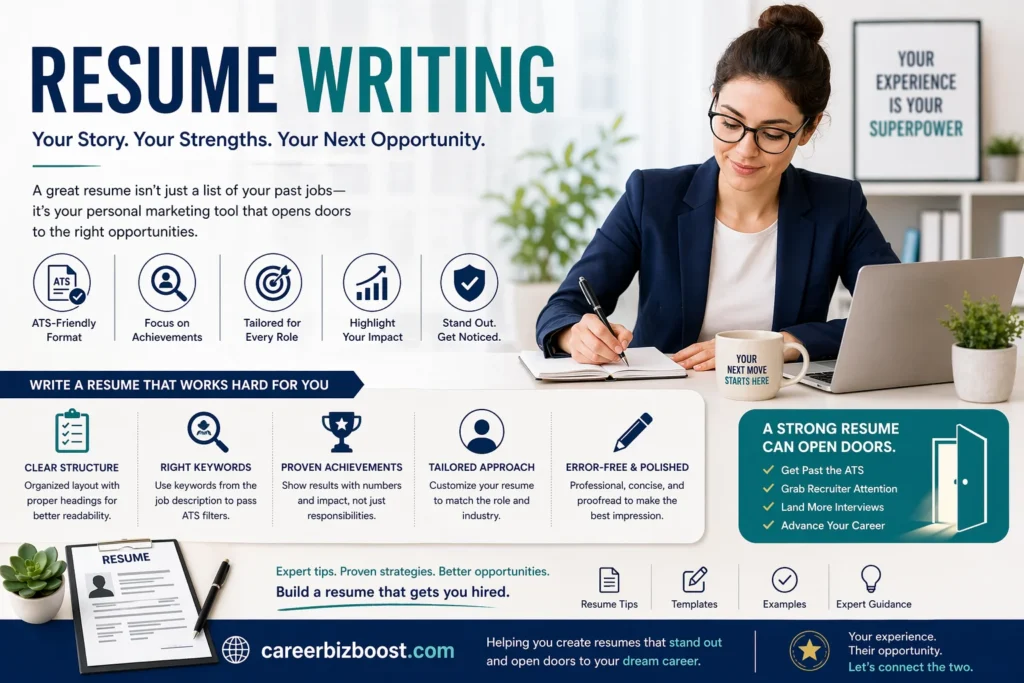
First things first — format matters. Use a clean, professional layout with consistent fonts, clear section headings, and no fancy graphics that could confuse ATS software. Stick to standard headings like “Work Experience,” “Education,” and “Skills” so the system knows where to look. Here’s how to create an ATS-friendly resume that passes automated filters.
Next, keywords are your best friend. Pull them straight from the job description and weave them naturally into your work experience and skills sections. For example, if the posting calls for “project management,” “budget tracking,” and “client communication,” make sure those phrases appear exactly in your resume (assuming you have that experience). The ATS will thank you — and so will the recruiter. You can also pair your resume with an ATS friendly cover letter for job application for better results.
One of the most common mistakes job seekers make is writing bullet points that only describe what they did rather than what they achieved. Recruiters aren’t hiring you for your ability to “attend meetings” or “answer emails” — they want to see results.
Instead of:
Managed social media accounts for company.
Try:
Increased company’s social media engagement by 45% in six months through targeted content strategy.
Notice the difference? Numbers and outcomes make your contributions real, measurable, and memorable. Avoid common resume red flags that weaken your achievements.
Here’s a simple truth: One-size-fits-all resumes rarely work. Tailoring your resume to each role dramatically improves your chances of getting noticed. That doesn’t mean rewriting from scratch every time — just tweaking your summary, skills list, and most relevant achievements to align with each job description.
For example, if you’re applying for a marketing role, your bullet points should lean heavily on campaign results, brand growth, and creative strategies. If you’re going after a project management role, emphasize budget control, timelines, and stakeholder coordination. Just like you should tailor your writing portfolio for different industries, your resume must be role-specific.
Think of your summary statement as your resume’s “elevator pitch.” In just 3–4 lines, it should capture who you are, what you excel at, and the value you bring to the table. Avoid generic openings like “Hardworking professional seeking opportunities.” Instead, be specific:
Strategic HR professional with 8+ years of experience driving employee engagement, optimizing recruitment processes, and aligning talent strategy with business goals.
A strong summary makes a recruiter want to read on.
Use these resume headline examples to instantly grab recruiter attention.
Many candidates make the mistake of stuffing their skills section with every software or tool they’ve ever touched. But an overloaded list can dilute your impact. Focus on skills relevant to the job — both technical (hard) and interpersonal (soft).
For example, if applying for a leadership role, “Conflict Resolution” and “Team Development” might be just as important as “Data Analysis” or “Salesforce CRM.” Here’s the best way to show soft skills on resume with proven examples.
Also learn how to describe soft skills on a resume without sounding generic.
If you’re early in your career, place your education near the top. For seasoned professionals, it can move toward the bottom after your experience section. Don’t forget to list certifications, especially industry-recognized ones like PMP, SHRM-CP, AWS Certified Solutions Architect, or Google Analytics. They can be key differentiators.
Font: Use a clean, professional typeface like Calibri, Arial, or Helvetica.
Size: 11–12 pt for body text, slightly larger for headings.
Length: Stick to one page if you have less than 10 years of experience; two pages if more.
White space: Keep it easy on the eyes. Crowded pages are overwhelming.
Run your resume through a resume score checker to identify gaps instantly.
Using outdated templates with graphics and text boxes (ATS nightmare).
Listing job duties without measurable achievements.
Forgetting to proofread — typos can instantly cost you credibility.
Using vague language like “responsible for” instead of action verbs like “led,” “developed,” or “implemented.”
Learn how to avoid resume mistakes that cost you interviews.
Remember — a resume alone won’t land you the job. It works best alongside a tailored cover letter, a strong LinkedIn profile, and a clear personal brand. When all these elements align, you create a consistent, compelling picture of your professional value.
👉 Your resume is just one part of the job search process. To maximize success:
Your resume is often your first and only chance to make an impression — so make it count. Keep it clean, targeted, and results-focused. Use keywords to please the ATS, but write for humans too. And most importantly, treat it like a living document — update it regularly so you’re always ready for the next big opportunity.
Done right, your resume isn’t just a career history. It’s a powerful storytelling tool that opens doors, gets you interviews, and brings you closer to the role you’ve been aiming for.
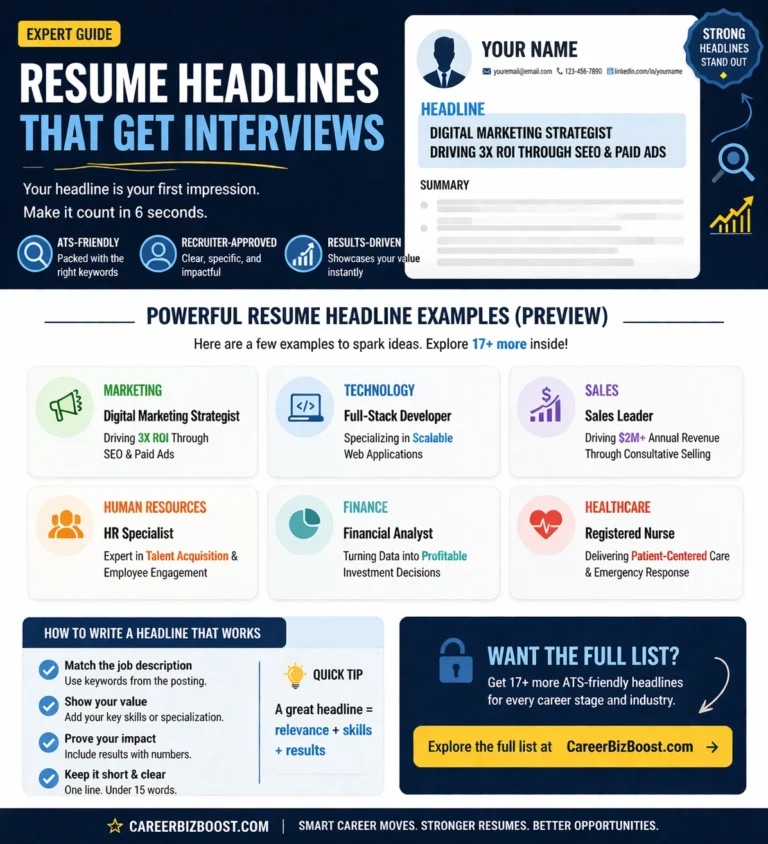
Discover 25 powerful resume headline examples with ATS-friendly tips, recruiter insights, and common mistakes to avoid for job success in 2025.
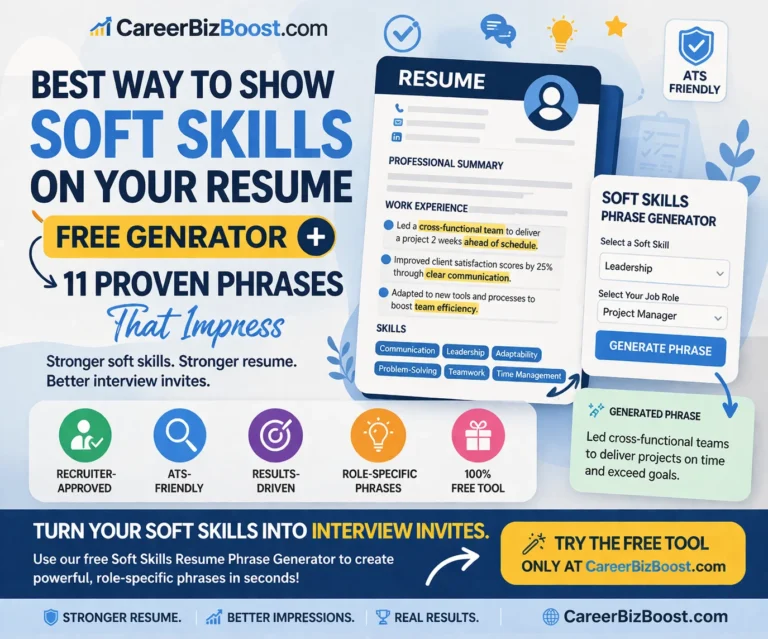
Use this free soft skills resume phrase generator to find the best way to show soft skills on resume. Includes 11 proven examples recruiters love. Soft skills resume phrase generator.
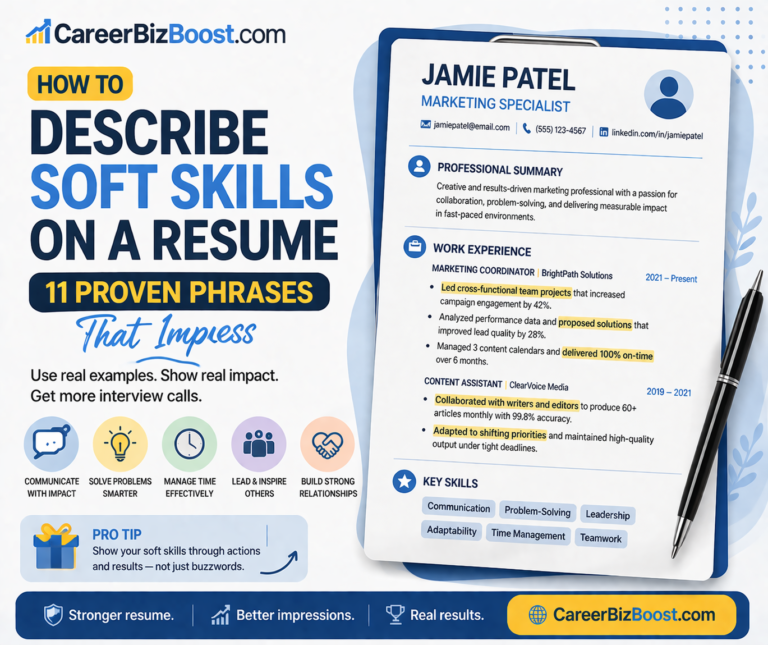
Learn how to describe soft skills on a resume with 12 powerful examples. Showcase your personality and stand out in 2025 without sounding vague.
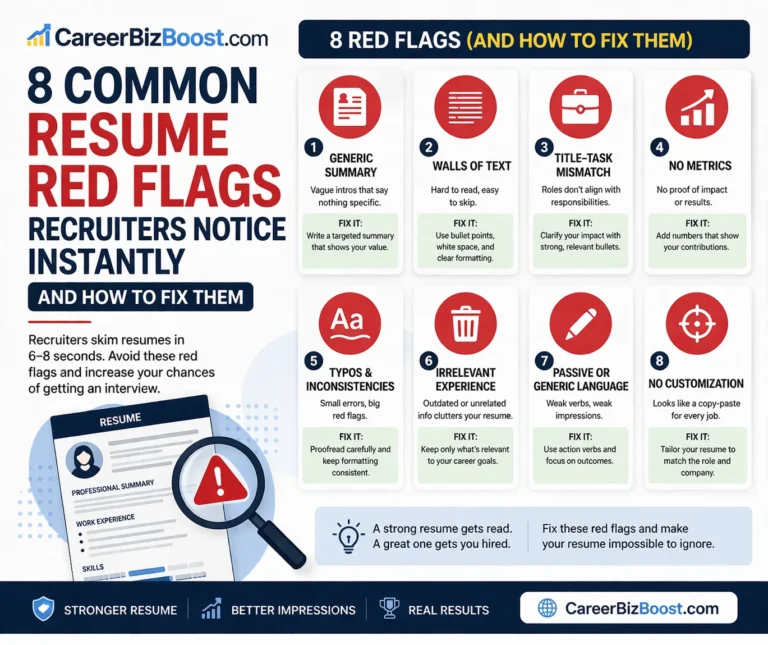
Avoid these 8 resume red flags recruiters notice instantly. Learn how to fix your resume in 2025 and get more interview calls with expert-approved tips.
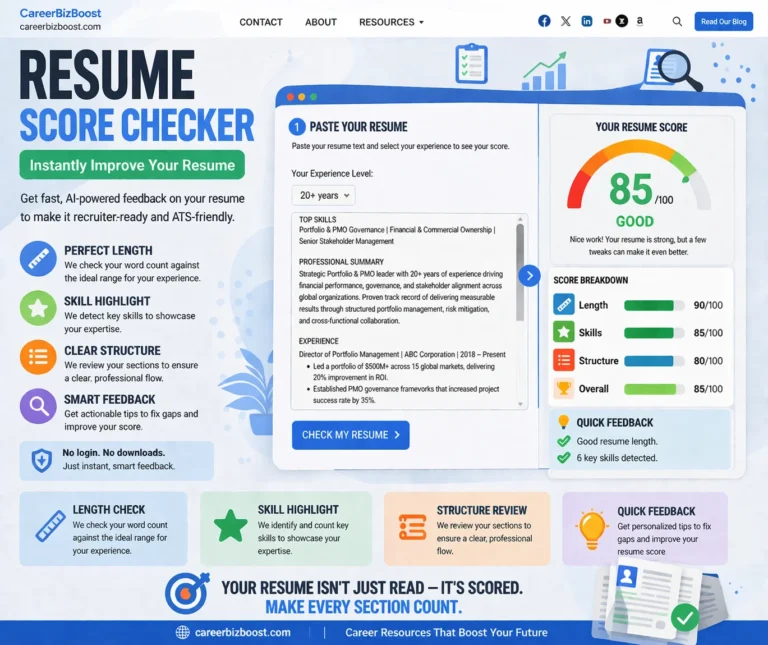
Paste your resume to get an instant score. Check word count, action verbs & formatting. Boost your resume with our free resume score checker tool!
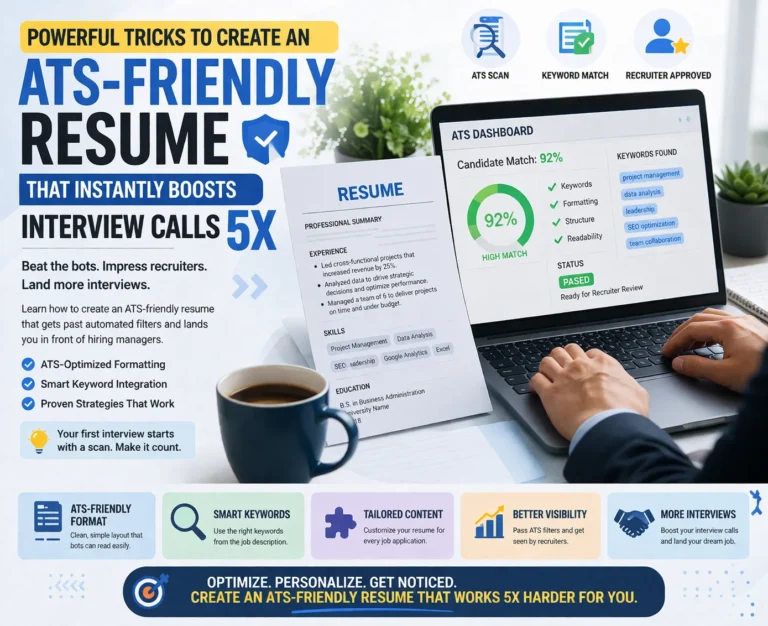
Discover how to write an ATS-friendly resume in 2025. Use top keywords, formatting, and structure tips to beat the bots and impress recruiters.
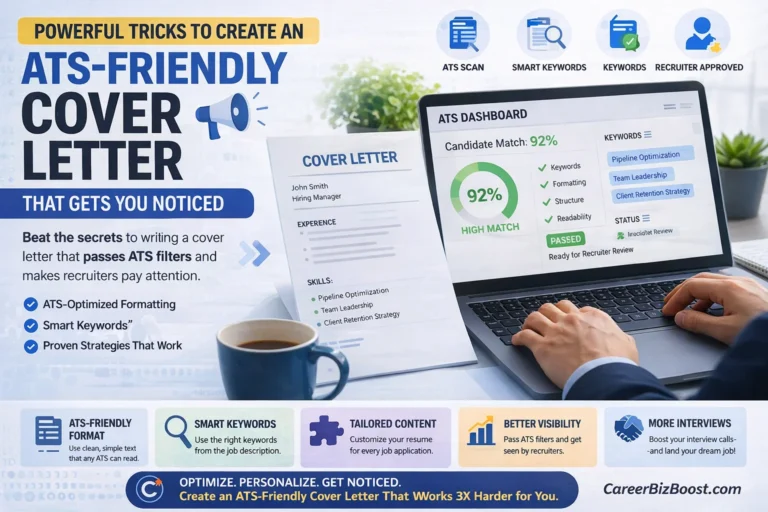
Write an ATS friendly cover letter for job application that aligns with your career goals and passes modern filters. Boost your chances in 2025 with expert tips.
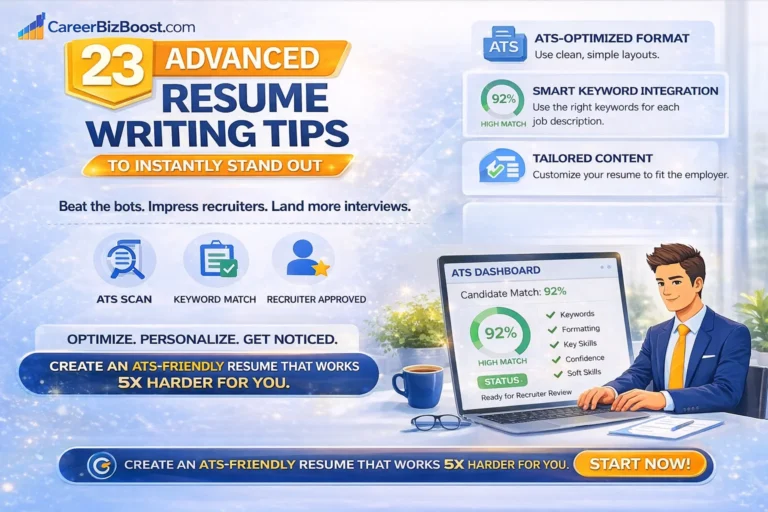
Write a powerful, modern resume. Master advanced resume writing tips 2025 to highlight skills, quantify impact, and show your personality.
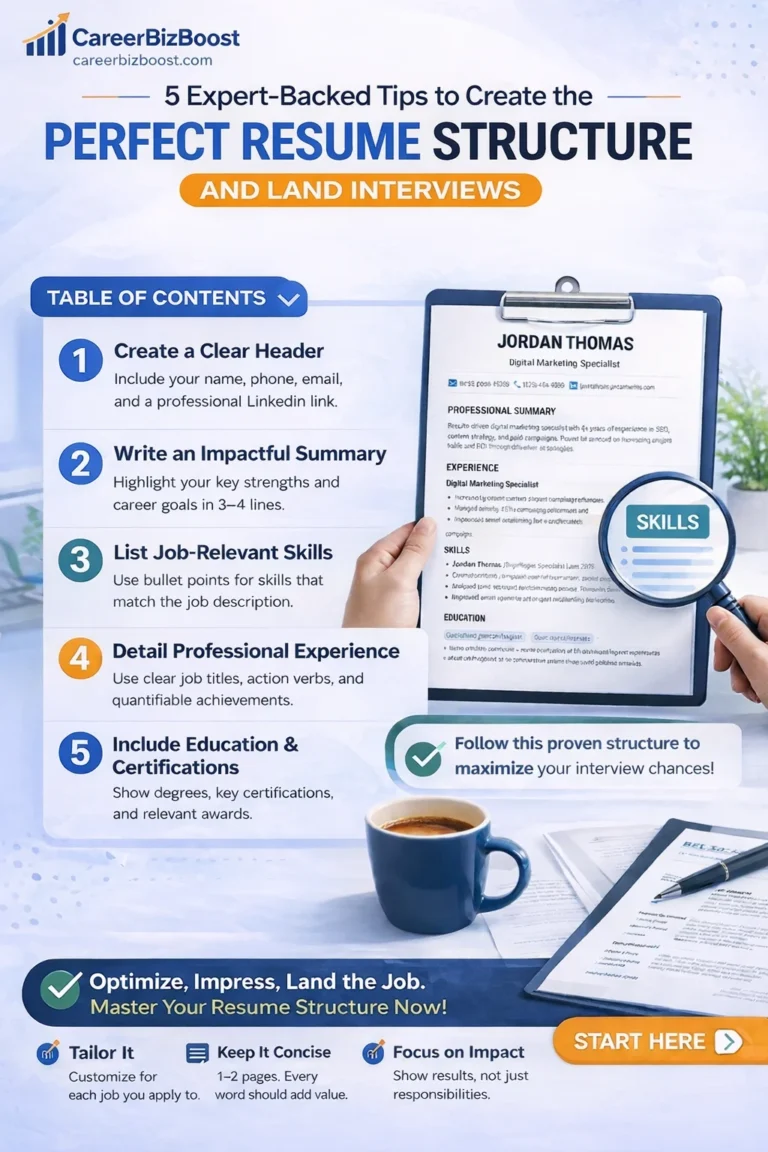
Discover the ideal resume structure, formatting rules, and must-have sections to create a standout, ATS-friendly resume that lands interviews in 2025.